
Introduction
In today’s fast-paced world, best travel apps have revolutionized how we plan and experience our journeys. Whether it’s booking a flight, navigating a new city, or finding the best local restaurants, the best travel apps offer convenience and efficiency at our fingertips. These tools eliminate much of the stress associated with travel by providing instant access to real-time updates, recommendations, and cost-saving options.
Designed to cater to various needs, these apps assist with everything from planning itineraries and booking accommodations to exploring hidden gems and managing expenses. In this blog, we’ll explore the best travel apps for every type of traveller, ensuring your trips are hassle-free.
Also Read:
- 10-Day Switzerland Travel Itinerary: The Ultimate Scenic Escape for Nature Lovers
- Epic 10-Day Morocco Travel Itinerary for an Unforgettable Adventure
- Epic 7-Day Seoul Travel Itinerary for the Ultimate Korean Adventure

Why Use Travel Apps?
Travel apps have become indispensable tools for modern travellers, offering unmatched convenience. They save time by streamlining tasks like booking flights, accommodations, and transportation in just a few clicks. These apps organize your itinerary, ensuring all essential details are in one place, reducing the stress of juggling multiple confirmations.
One of their standout features is the ability to provide real-time updates, such as flight delays or weather changes, helping travellers adjust plans effortlessly. Additionally, the best travel apps offer cost-saving opportunities, including price comparisons and exclusive deals, while localized insights guide users to authentic experiences, making every trip memorable and efficient.

Types of Travel Apps
1. Trip Planning and Booking Apps
Trip planning and booking apps are the backbone of modern travel, simplifying tasks like finding flights, booking accommodations, and managing itineraries. Apps like Skyscanner and TripIt allow users to compare options, track prices, and organize trip details effortlessly. These tools help save time and money, making them some of the best travel apps for both leisure and business travellers.
2. Navigation and Transportation Apps
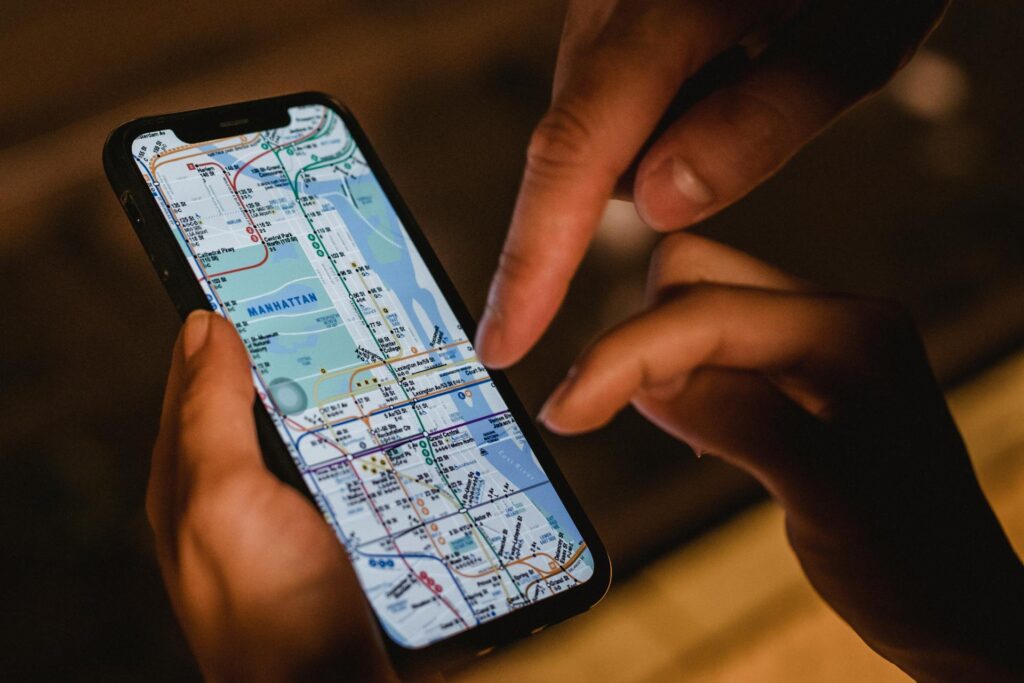
Navigation and transportation apps like Google Maps and Uber ensure seamless travel by providing accurate directions, real-time traffic updates, and ride-hailing services. These apps are essential for exploring unfamiliar destinations with confidence, showcasing their place among the best travel apps.
3. Accommodation Apps
Accommodation apps like Airbnb and Booking.com connect travellers to a variety of lodging options, from budget stays to luxury rentals. They include reviews, flexible filters, and deals, ensuring the perfect fit for every budget and preference. No wonder they are considered some of the best travel apps for accommodations.
4. Budgeting and Currency Apps
Budgeting and currency apps, such as XE Currency, make managing finances simple while traveling. This app offer real-time currency conversions and expense tracking, helping travellers stick to their budgets and avoid overspending. They are essential tools, ranking high among the best travel apps for financial management.
5. Local Experience and Food Apps
Local experience and food apps like Yelp and Culture Trip bring a destination to life by offering recommendations for dining, cultural activities, and off-the-beaten-path adventures. They help users discover hidden gems, making these some of the best travel apps for authentic experiences.
Also Read:
How to Choose the Right Apps for Your Trip?
1. Consider Trip Type
The type of trip you are planning greatly influences the apps you’ll need. For a solo traveller, apps like Hostelworld provide affordable and sociable lodging, while families might prioritize apps like Airbnb for spacious stays. Adventure enthusiasts may rely on AllTrails for hiking guides, and luxury travellers can use apps like The Ritz-Carlton app for tailored experiences. Choosing the best travel apps tailored to your trip ensures a smoother and more enjoyable journey.
2. Importance of Offline Functionality
Offline functionality is crucial, especially for remote areas with limited internet. Apps like Google Maps let you download maps, ensuring you won’t get lost even without a connection. Similarly, XE Currency’s offline mode helps travellers manage finances in areas with spotty Wi-Fi. Prioritizing best travel apps with offline features keeps your trip hassle-free in challenging environments.
3. Cross-Device Compatibility
Cross-device compatibility ensures seamless integration across your phone, tablet, and laptop. For example, apps like TripIt sync itineraries across devices, making them accessible anytime. Integration with other tools, such as syncing Google Maps with your calendar, enhances efficiency. Opting for the best travel apps with cross-device functionality ensures you stay organized and connected throughout your journey.
User Reviews and Ratings
Checking user reviews and ratings is essential before downloading any travel app. Reviews provide real-world insights into an app’s reliability, ease of use, and functionality, helping you avoid wasting time on subpar options.
For instance, a highly-rated app on the App Store or Google Play is more likely to deliver on its promises. Specialized travel forums like TripAdvisor can also offer detailed recommendations and user experiences for specific needs.
By prioritizing apps with positive feedback and high ratings, you ensure that you’re choosing the best travel apps that are tried and trusted by fellow travellers.

Tips for Maximizing Travel Apps
- To make the most of your travel apps, ensure they are updated regularly for optimal performance and new features. Updates often include critical fixes and enhancements that improve functionality.
- Save data and avoid connectivity issues by downloading offline maps or itineraries before your trip; apps like Google Maps and TripIt are especially useful for this.
- Syncing apps can also enhance your experience—for example, integrating Google Maps with TripIt ensures your travel routes align with your itinerary.
By following these tips, you can unlock the full potential of the best travel apps, making your trips smoother and stress-free.
Challenges with Travel Apps
While travel apps offer convenience, there are some challenges to consider.
- Over-reliance on technology can be risky, especially if apps fail to work due to connectivity issues or app crashes.
- Additionally, many apps may lack coverage in remote areas, leaving travellers without critical information.
- To mitigate these issues, it’s wise to carry physical backups, such as paper maps, printed tickets, and written itineraries. This ensures that you’re prepared in case your best travel apps aren’t accessible or functional, giving you peace of mind while navigating unfamiliar territories. A balanced approach helps reduce stress during your travels.
Now that you’ve discovered some of the best travel apps for your next adventure, it’s time to explore and download the ones that suit your needs. Don’t forget to share your favorite travel apps in the comments below—let’s help fellow travellers find the perfect tools for their journeys!
Conclusion
The best travel apps truly transform the way you travel by saving you time, money, and stress while opening up a world of convenience and possibilities. With these top picks on your phone, every journey becomes smoother, smarter, and far more enjoyable. Download them today, pack your bags with confidence, and get ready to experience hassle-free adventures on your next trip! Safe travels and happy exploring!
FAQs: Best Travel Apps
1. Which travel app is best for booking flights and hotels?
Apps like Booking.com, Skyscanner, and Google Flights are excellent for comparing prices and securing great deals on flights and accommodations. They offer user-friendly interfaces, price alerts, and flexible filters to match your budget and schedule.
2. What is the most useful navigation app for international travel?
Google Maps remains the top choice for its offline maps, real-time navigation, and public transport information. It works worldwide and helps you explore cities confidently without getting lost, even when data connection is limited.
3. How can travel apps help with language barriers?
Google Translate and Microsoft Translator are lifesavers for international trips. They offer real-time conversation translation, offline language packs, and even camera translation for signs and menus, making communication smooth in any country.
4. Are there good apps for managing travel budget and expenses?
Yes — apps like Trail Wallet, Splitwise, and Expensify help you track spending, split bills with travel companions, and stay within budget. They provide clear reports and alerts so you can enjoy your trip without financial stress.
5. What safety and health apps should every traveller download?
Apps like TripIt (for itinerary management), SafetyWing or World Nomads (insurance), and local emergency apps are highly recommended. They keep your plans organized and ensure quick access to medical or safety support when needed.
Explore More Hospitality Tips
We hope this guide on the best travel apps helps make your trips more enjoyable and stress-free. If you’re looking for more hospitality inspiration, check out our other posts.
Also Read:
- 10-Day Switzerland Travel Itinerary: The Ultimate Scenic Escape for Nature Lovers
- Epic 10-Day Morocco Travel Itinerary for an Unforgettable Adventure
- Epic 7-Day Seoul Travel Itinerary for the Ultimate Korean Adventure
Stay connected for more hospitality insights, tips, and recommendations to elevate your journeys!