How to Block AirDNA from Having Access to Airbnb Listing: 7 Powerful & Proven Ways

Introduction
Many Airbnb hosts don’t realize that their listing data is being publicly analyzed and used by third-party platforms. If you’re hosting like I am, you might assume your pricing strategy and performance insights are private—but that’s not always the case.
AirDNA is a popular analytics platform that collects and studies Airbnb listing data to provide market insights like pricing trends, occupancy rates, and revenue estimates. While this can be helpful for some, it also means your listing details may be visible to competitors and used to shape their strategies.
I still remember when I first discovered my listing data being used on such platforms—it felt like losing control over something I had carefully built. Suddenly, my pricing, availability, and positioning were no longer just mine.
This raises real concerns: reduced privacy, exposure of your pricing strategy, and increased competition leveraging your data.
But don’t worry—in this guide, I’ll share 7 smart and actionable ways to block AirDNA from having access to your Airbnb listing and help you take back control of your hosting strategy.
Also Read:
- Airbnb Amenities That Skyrocket 5-Star Reviews
- Hacks to Get Featured on Airbnb Like a Pro
- Steps to Master Airbnb Arbitrage and Earn Passive Income
What is AirDNA and Why It Accesses Your Airbnb Listing?
What AirDNA Does
AirDNA is a market data aggregation platform designed specifically for short-term rental hosts, investors, and property managers. It collects and analyzes large amounts of Airbnb (and similar platforms) data to provide insights such as:
- Average nightly pricing in your area
- Occupancy rates and seasonal demand trends
- Estimated revenue and performance benchmarks
Many hosts actually use AirDNA to optimize their pricing and stay competitive, especially in crowded markets. It essentially turns raw listing data into actionable market intelligence.
How It Gets Your Data
AirDNA primarily gathers information through:
- Public scraping of Airbnb listings (data that is visible to anyone browsing the platform)
- API and data aggregation techniques that compile large datasets across regions
This means that if your listing is publicly visible on Airbnb, some of its data—like pricing, availability, and general details—can be collected and analyzed.
Should You Be Concerned?
This depends on your hosting strategy. There are both advantages and drawbacks:
Pros:
- Helps you understand your local market
- Enables better pricing decisions
- Offers competitive insights
Cons:
- Your pricing strategy becomes visible to competitors
- Reduced control over your listing data
- Others can replicate your success
From my experience, it’s a balance between transparency and competition—and knowing how to protect your edge makes all the difference.

Why You May Want to Block AirDNA from Having Access to Airbnb Listing
As an Airbnb host, your listing is more than just a property—it’s a carefully crafted business strategy. From pricing to positioning, every detail plays a role in your success. When platforms like AirDNA analyze and display your listing data, it can reduce the competitive advantage you’ve worked hard to build.
One of the biggest concerns is protecting your pricing strategy. If competitors can see estimated earnings, occupancy rates, or pricing patterns, they can easily adjust their own listings to undercut or outperform yours. Over time, this can lead to a competitive disadvantage, especially in saturated markets.
Another important factor is maintaining your unique positioning. Whether it’s your branding, niche audience, or premium offering, your listing stands out for a reason. When your data becomes widely accessible, others may replicate your approach, making it harder to differentiate.
There’s also the risk of misuse of data. While platforms like AirDNA use publicly available information, the way this data is interpreted and presented may not always reflect your actual performance or strategy.
Key concerns include:
- Privacy concerns: Your listing insights are no longer just yours
- Data exploitation: Others can use your data to their advantage
- Market manipulation risks: Competitors adjusting pricing based on your trends
Ultimately, limiting how much of your data is accessible helps you stay in control and protect your long-term hosting success.
7 Smart Ways to Block AirDNA from Having Access to Airbnb Listing Easily
While it’s not possible to completely stop platforms like AirDNA from accessing publicly available data, you cansignificantly limit what they collect and how accurate it is. Over time, I’ve implemented a few smart strategies that helped me protect my listing and stay ahead of competitors—here’s exactly what works:
1. Limit Public Information on Your Listing
One of the simplest yet most effective steps is to control how much information you share publicly.
- Avoid giving detailed breakdowns of pricing (like weekday vs weekend logic)
- Don’t over-explain amenities or unique features that define your edge
- Use strategic, slightly generic descriptions instead of revealing everything
👉 The goal is to attract guests without giving competitors a full blueprint of your success.
2. Frequently Update Pricing & Availability
Static listings are easier to track and analyze. That’s why I always recommend dynamic updates.
- Change pricing regularly based on demand
- Adjust availability (open/close dates strategically)
- Use tools like dynamic pricing software
👉 When your data keeps changing, it becomes harder for platforms like AirDNA to provide accurate insights.
3. Avoid Exact Location Disclosure
Location is one of the biggest data points used by analytics platforms.
- Use Airbnb’s approximate location feature instead of exact coordinates
- Avoid mentioning nearby landmarks that make your property easily identifiable
- Keep your address private until booking confirmation
👉 This protects your property identity and reduces tracking accuracy.
4. Use Unique Naming for Your Listing
Your listing title can act like a digital fingerprint.
- Avoid using consistent or overly specific names
- Don’t include exact property identifiers or branded names
- Update your listing title periodically
👉 This makes it harder for third-party tools to consistently track your listing over time.
5. Optimize Photos Carefully
Images can reveal more than you think.
- Avoid showing distinct landmarks, street signs, or building exteriors
- Don’t reuse the same images across multiple platforms
- Focus on interiors and experiences rather than identifiable visuals
👉 This reduces the chances of your listing being easily matched and tracked.
6. Monitor Third-Party Data Platforms
You can’t control what you don’t track. I personally check platforms like AirDNA regularly.
- Search your area on AirDNA to see if your listing appears
- Analyze what kind of data is being shown
- Keep an eye on estimated revenue and pricing trends
👉 External Resource:
- AirDNA Market Search Page (to track your listing presence)
👉 This helps you understand how your data is being used—and adjust accordingly.
7. Diversify Listing Platforms
Relying only on Airbnb increases your visibility to data aggregators.
- List your property on multiple platforms (Booking.com, Vrbo, etc.)
- Build your own direct booking website
- Create a brand so guests come directly to you
👉 This not only reduces dependency but also gives you greater control over your data and revenue.
👉 Internal Linking Opportunities:
- Link to your guide on Airbnb Pricing Strategies for Maximum Profit
- Link to How to Build a Direct Booking Website
- Link to Hospitality Marketing Tips for Hosts
💡 Final Tip
From my experience, the goal isn’t to hide completely—it’s to be strategically visible. Share enough to attract guests, but not so much that competitors can easily copy your success.
By applying these 7 smart methods, you’ll not only limit AirDNA’s access but also build a stronger, more controlled Airbnb business.
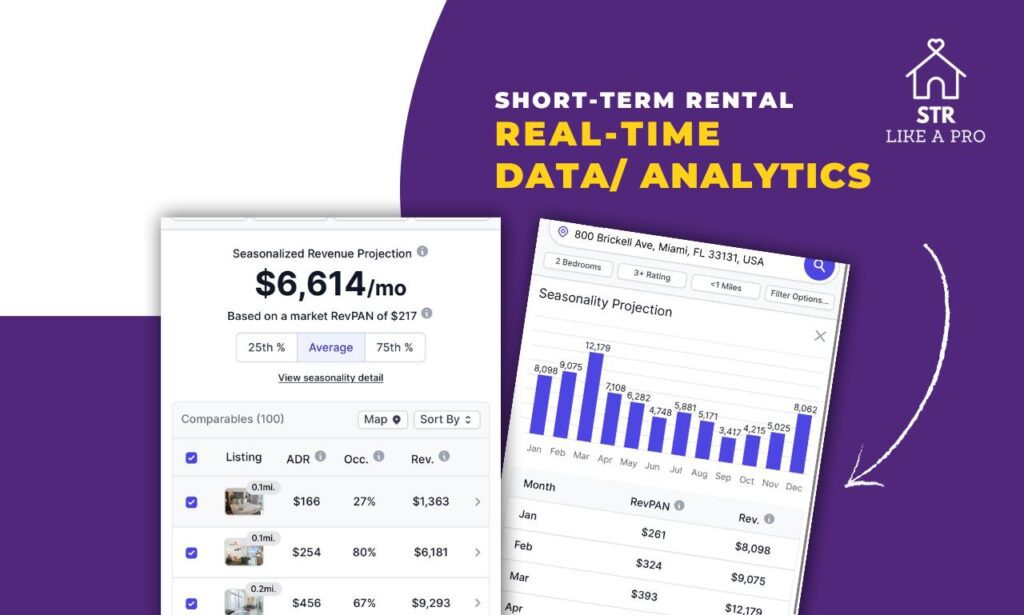
Can You Completely Block AirDNA from Having Access to Airbnb Listing?
Let’s be honest—you cannot 100% block AirDNA from having access to your Airbnb listing. The main reason is simple: most of the data AirDNA uses is publicly available on Airbnb. As long as your listing is live and visible to guests, certain details like pricing, availability, and general information can be collected through data scraping and aggregation methods.
However, this doesn’t mean you’re powerless.
What you can control is how much and how accurately your data is represented. By limiting the details you share, frequently updating your pricing, and avoiding identifiable information, you can make your listing much harder to track and analyze precisely.
Think of it this way—you may not be able to go completely invisible, but you can definitely become less predictable and less exploitable.
The key is to set realistic expectations. Instead of aiming for complete blockage, focus on reducing exposure and protecting your competitive edge. With the right strategies, you can stay in control of your Airbnb business while still benefiting from the platform’s visibility.
Pro Tips to Protect Your Airbnb Data & Privacy
Beyond the basic strategies, a few smart habits can go a long way in protecting your Airbnb listing data while still growing your business.
First, I highly recommend using dynamic pricing tools. These tools automatically adjust your nightly rates based on demand, seasonality, and market trends. When your pricing keeps changing, it becomes much harder for platforms like AirDNA to generate accurate estimates about your earnings.
Next, focus on building a strong brand identity rather than relying only on listing data. Create a unique name, style, and guest experience that people remember. When guests start recognizing your brand, competitors can’t easily replicate your success—even if they see your data.
Another powerful strategy is to encourage repeat guests. Offer great service, personalized touches, and incentives for direct bookings. The more repeat customers you have, the less you depend on public platforms where your data is exposed.
Finally, shift your focus from just pricing to overall guest experience. A well-designed stay, excellent hospitality, and thoughtful details create value that data alone cannot capture.
👉 In my experience, the hosts who win long-term are not the ones hiding data—but the ones building something competitors simply can’t copy.
Conclusion
At the end of the day, it’s important to understand that you can’t fully block AirDNA from having access to your Airbnb listing, but you absolutely can control how much of your data is exposed and how accurate it is. By applying the right strategies—like limiting public details, updating pricing dynamically, and avoiding identifiable information—you take back a significant level of control.
Instead of worrying about who’s analyzing your data, shift your focus toward what truly matters: building a strong, sustainable hosting strategy. The most successful hosts aren’t the ones hiding everything—they’re the ones who stay adaptable, think long-term, and continuously improve their offering.
From my experience, I focus more on creating unique guest experiences, building a recognizable brand, and encouraging repeat bookings. These are things no data platform can replicate or steal.

FAQs: Block AirDNA from Having Access to Airbnb Listing
1. Can I completely block AirDNA from my Airbnb listing?
No, you cannot completely block AirDNA from having access to your Airbnb listing because it relies on publicly available data. However, you can limit data exposure by reducing the information you share, updating pricing frequently, and avoiding identifiable details.
2. Is AirDNA legal to use Airbnb data?
Yes, AirDNA operates legally by collecting and analyzing publicly available Airbnb data. It does not access private host information but uses what is visible on listings to generate market insights.
3. Does AirDNA affect my Airbnb ranking?
No, AirDNA has no direct impact on your Airbnb ranking. Airbnb’s algorithm is independent and focuses on factors like guest experience, reviews, response rate, and booking performance—not third-party analytics platforms.
4. How do I check if my listing is on AirDNA?
You can check by simply searching your location on AirDNA’s platform. Look for listings similar to yours in terms of pricing, amenities, and occupancy. While your exact listing may not always be visible, its data is often included in aggregated insights.
5. Are there alternatives to AirDNA for hosts?
Yes, there are several alternatives that hosts use for market insights, including:
- PriceLabs (dynamic pricing tool)
- Mashvisor (investment and rental analytics)
- AllTheRooms (short-term rental data platform)
These tools can help you make smarter decisions while you stay aware of how your own listing data might be used.
👉 Pro Tip: Instead of worrying too much about data visibility, focus on building a strong, experience-driven listingthat stands out beyond just numbers.
Take a few minutes today to audit your Airbnb listing and implement at least 2–3 of the strategies shared in this guide.
👉 And if you want more expert tips to grow your hosting business, explore more insights on Buffet of Hospitality and start hosting smarter, not harder.